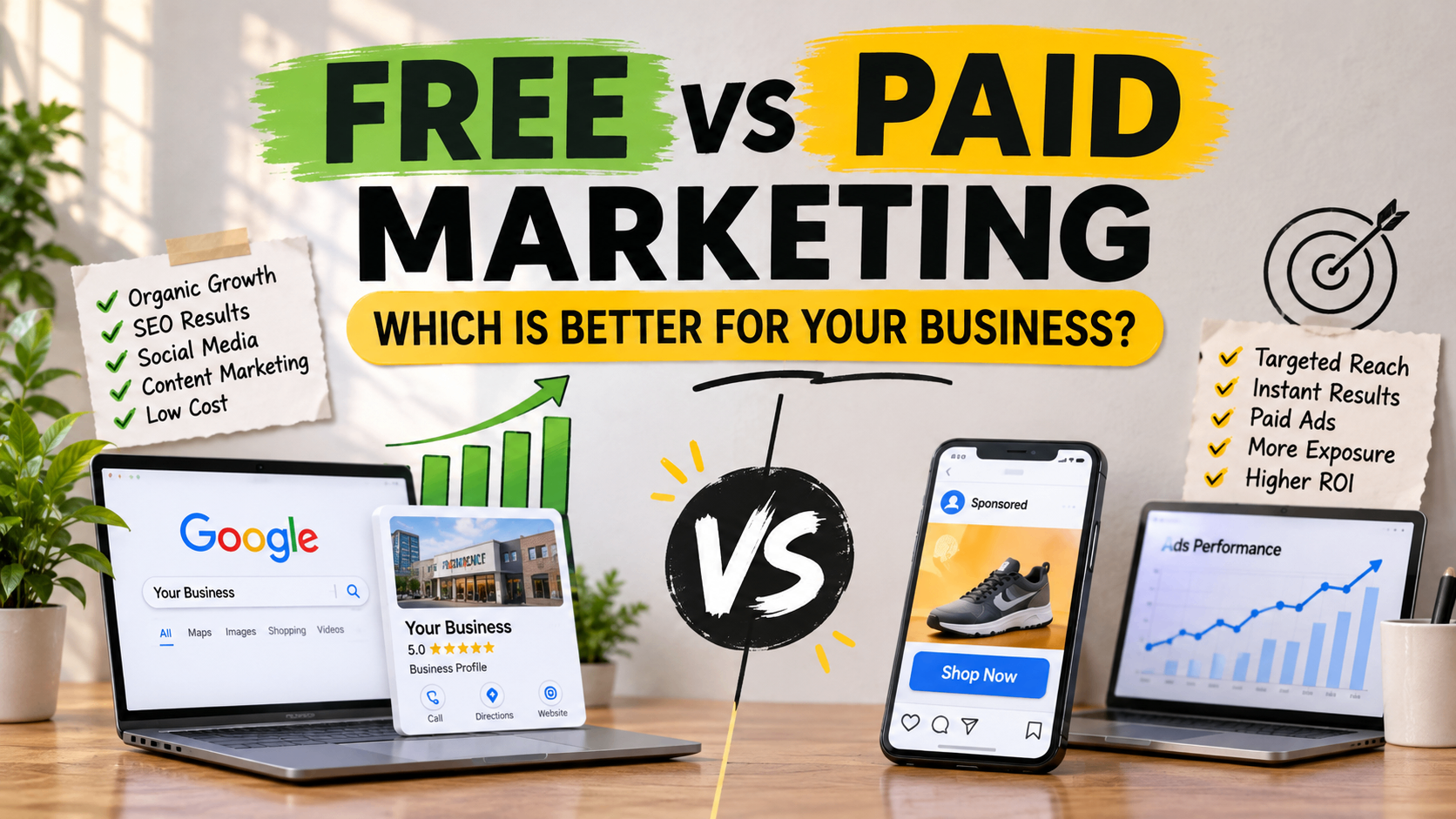
Free vs Paid Marketing: What Actually Makes Sense for a Small Business
A lot of business owners ask us the same thing. Should I spend money on ads, or keep posting and see what happens?
There's no one answer. It comes down to how much you can spend, how crowded your market is, and how soon you need customers walking in or calling.
Free marketing
It isn't really free. You don't pay for ad space, but it eats your time, and sometimes you end up paying for tools or help too. What it usually looks like:
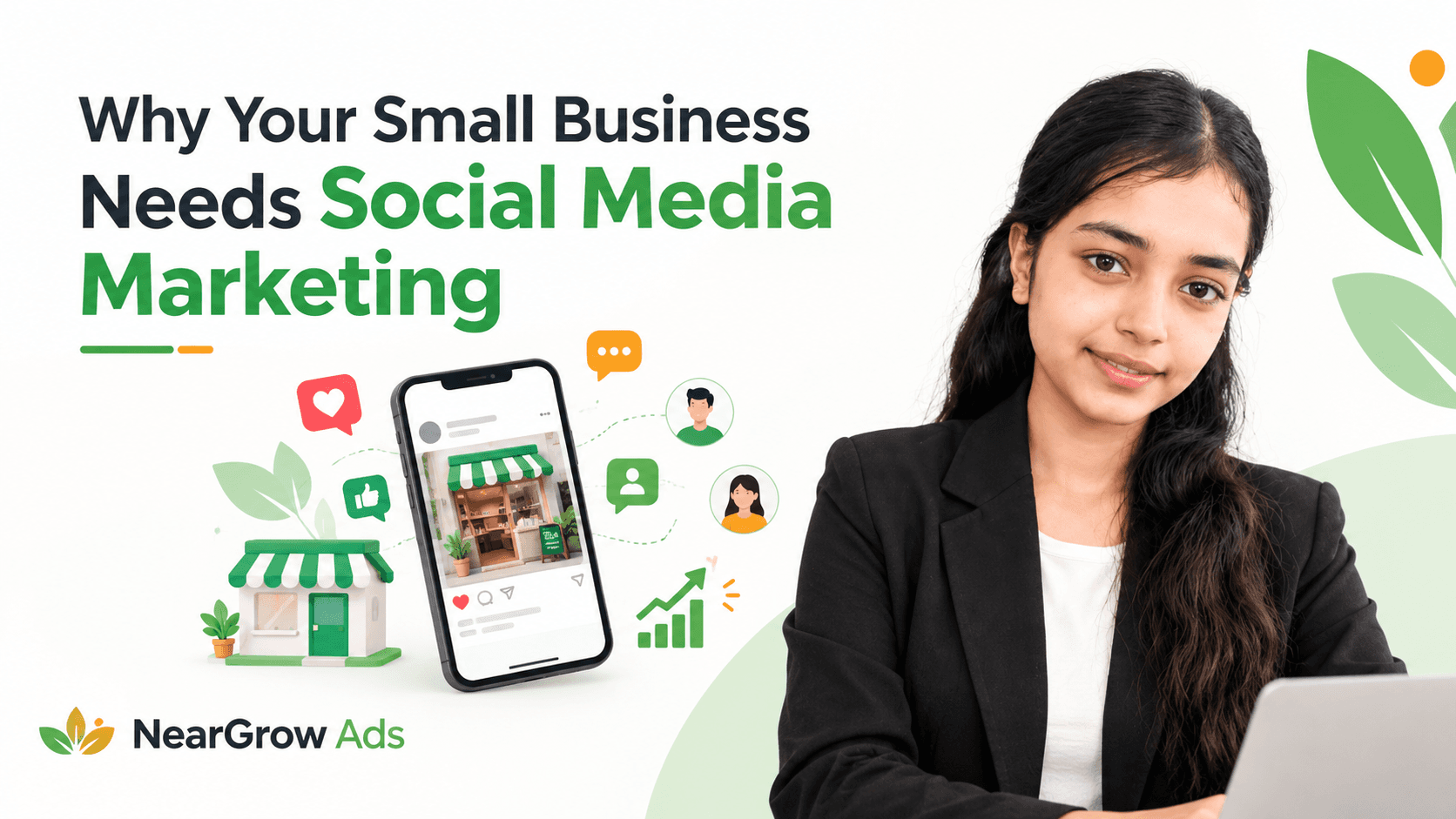
Posting regularly on Instagram and Facebook
Writing blog posts so people can find you on Google
Filling out your Google Business Profile properly
Short videos and Reels that teach people something
Asking happy customers to refer you
Answering questions in online groups where your customers hang out
The upside is that it costs little, and people tend to trust a business that's helpful and has real reviews. A good blog post can also keep bringing in visitors long after you wrote it.
The downside is that it's slow. Nobody guarantees your posts will reach anyone, plenty of other businesses are doing the same thing, and if you stop showing up, the results fade.
Paid marketing
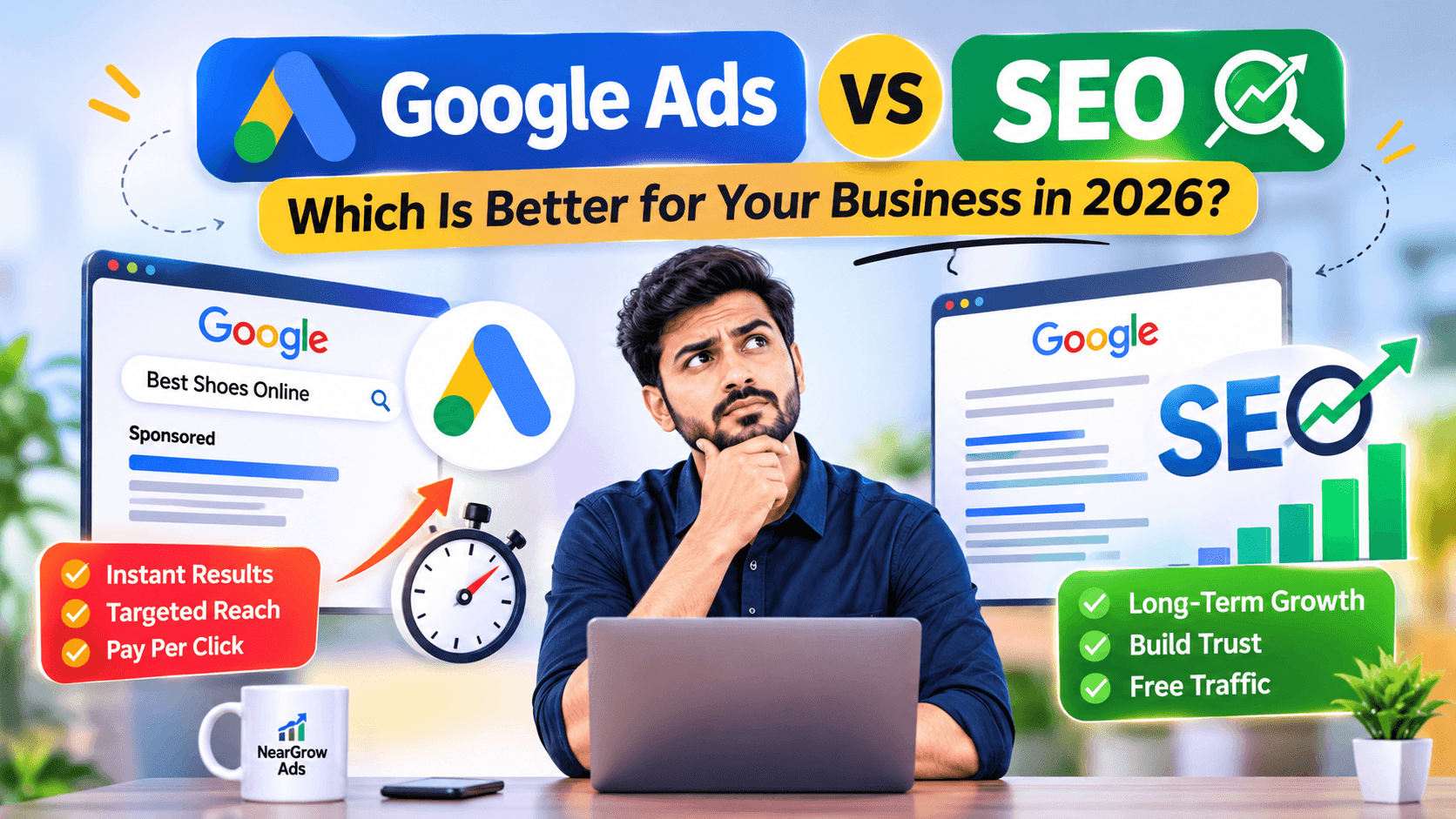
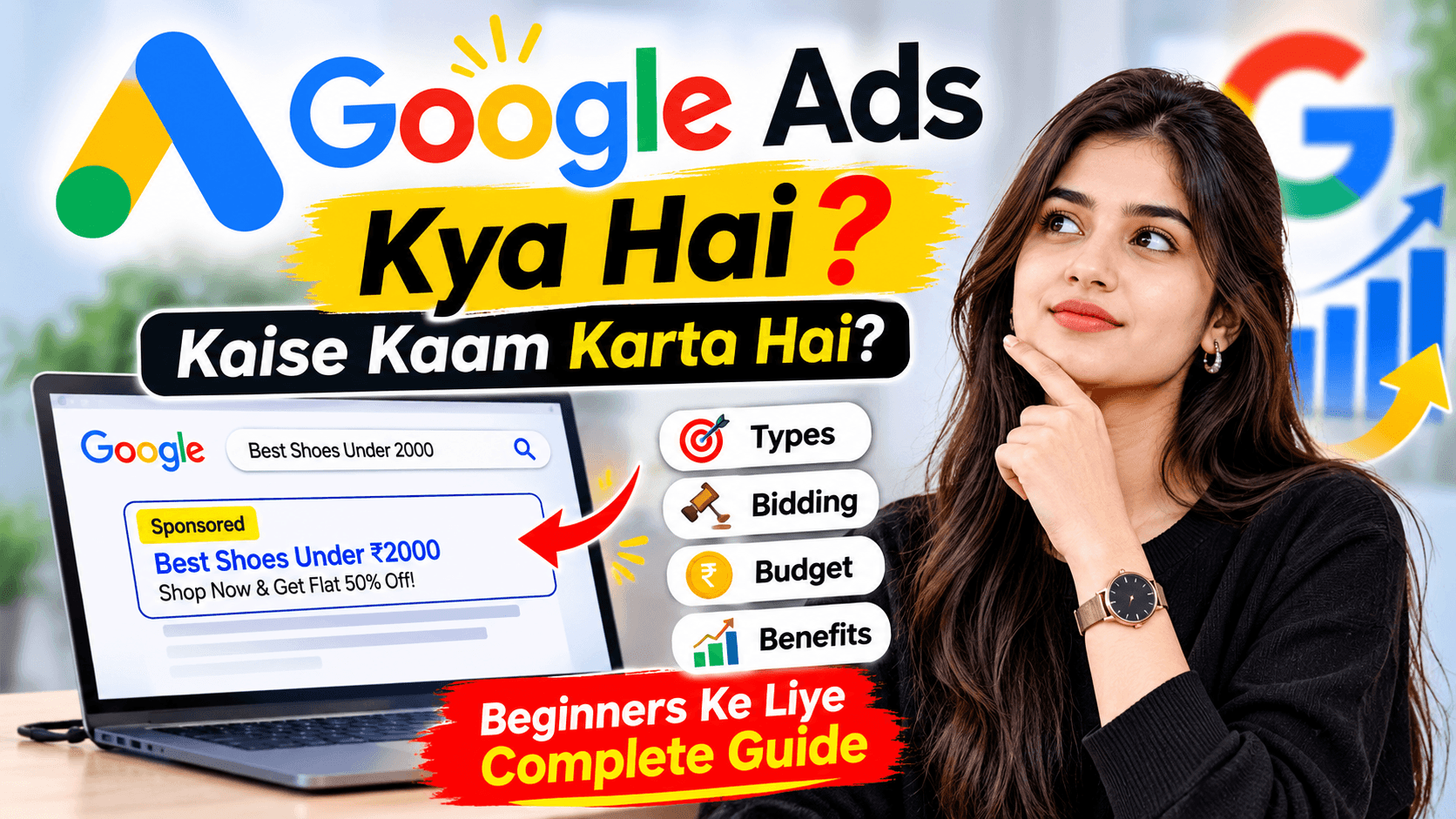
Here you pay a platform to show your business to people. Facebook and Instagram ads, Google search ads, YouTube, influencer posts, lead generation campaigns.
You get speed. A campaign can start reaching people soon after it's approved. You can aim it at a certain area, certain interests, or people searching for exactly what you sell. You can see what you spent and what came back, and you can try different offers and images to find what works.
But you need a budget, and there are no guarantees. If the offer is weak, or your website makes it hard to get in touch, the money disappears fast.
Which one should you pick?
Go with free marketing if money is tight, you're fine growing slowly, and you can keep making useful content week after week.
Go with paid if you have a specific offer to push, a new service to test, or you want to reach people in one local area and you know what you want out of it, like more qualified enquiries.
Why most small businesses should do both
For most small businesses, a mix is the practical choice. Here's roughly how we'd go about it:
Fix the basics first. Make sure your online presence looks professional, your Google Business Profile is set up, and your phone number and address are correct.
Post things people want. Tips, short videos, answers to questions customers keep asking you.
Try a small ad campaign. Spend an amount you're comfortable losing, and pick one goal for it.
Watch the numbers that matter. Likes and views are nice, but enquiries, conversion rate and cost per lead tell you whether it's working.
Adjust. Change your content, your audience, your offer or your follow-up based on what the numbers say.
An example from Delhi NCR
Say a local salon wants more clients. On the free side, it could post hairstyle Reels, share customer reviews (with permission), keep its Google profile current, and put out beauty tips. On the paid side, it could run a seasonal offer on Facebook and Instagram and send people to a booking or enquiry link.
Doing both, the salon builds up its presence while also testing ways to reach new people. What it actually gets will depend on the offer, the competition nearby, the quality of the campaign, and how customers are treated when they show up.
Mistakes we see all the time
Expecting free marketing to work right away
Running ads without deciding what they're for
Ignoring the website, or being slow to reply to enquiries
Judging everything by likes and impressions
Shutting a campaign down without looking at the data
Thinking ads automatically lead to sales
How NearGrow Ads can help
We work with businesses on SEO, social media marketing, Meta Ads and lead generation. If you're just starting with organic content, or you're getting ready for your first paid campaign, having a clear plan makes your time and money go further.
To sum up
Free marketing builds visibility and trust over time. Paid marketing gets you in front of people sooner and gives you more control over who sees you. For most businesses, the sensible route is to build a solid organic base and add paid campaigns once your budget and goals support them.
If you'd like to talk through a plan that fits your goals and budget, get in touch with NearGrow Ads.